movingSCHOOLS
Mumbai, India. 2008.
The Challenge:
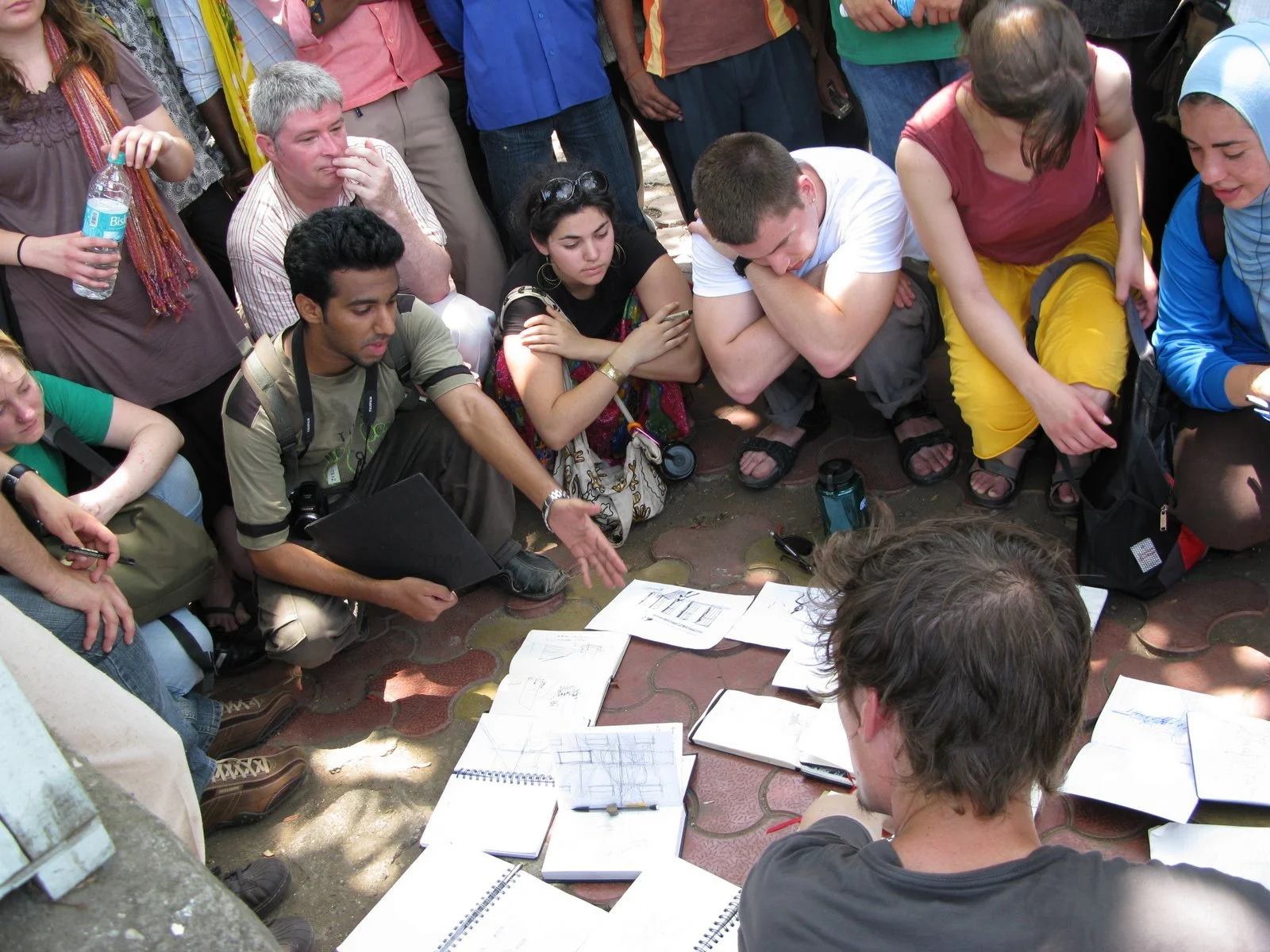
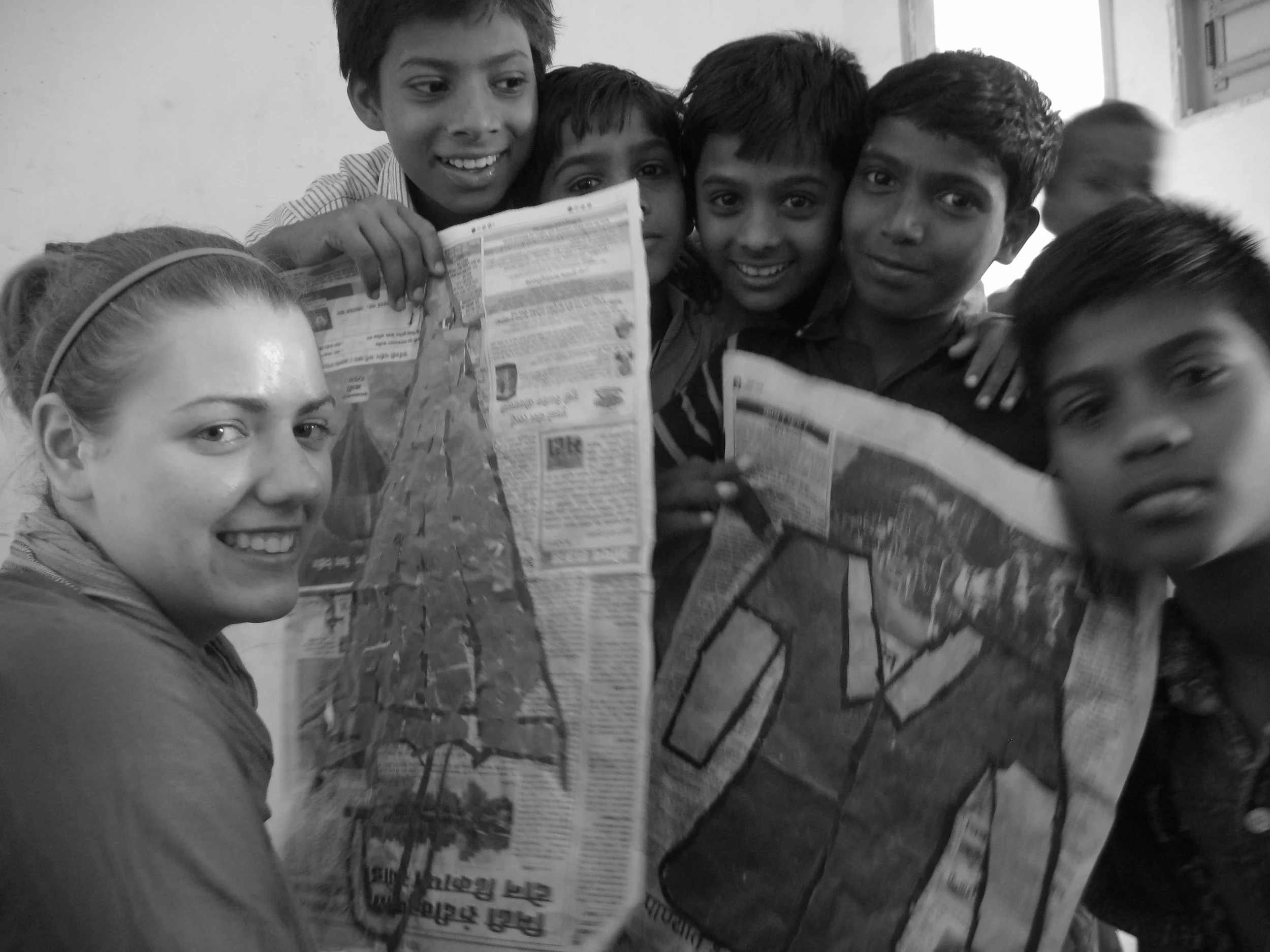
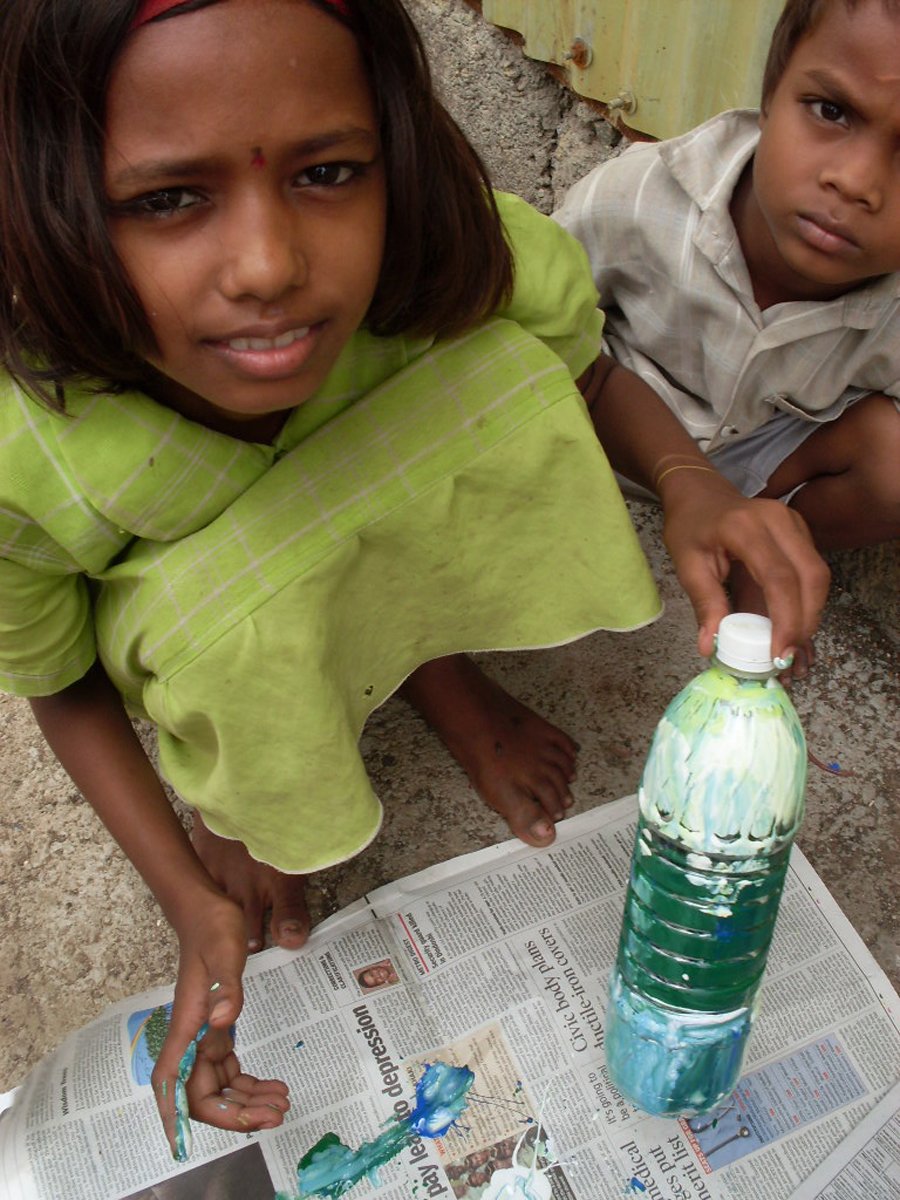
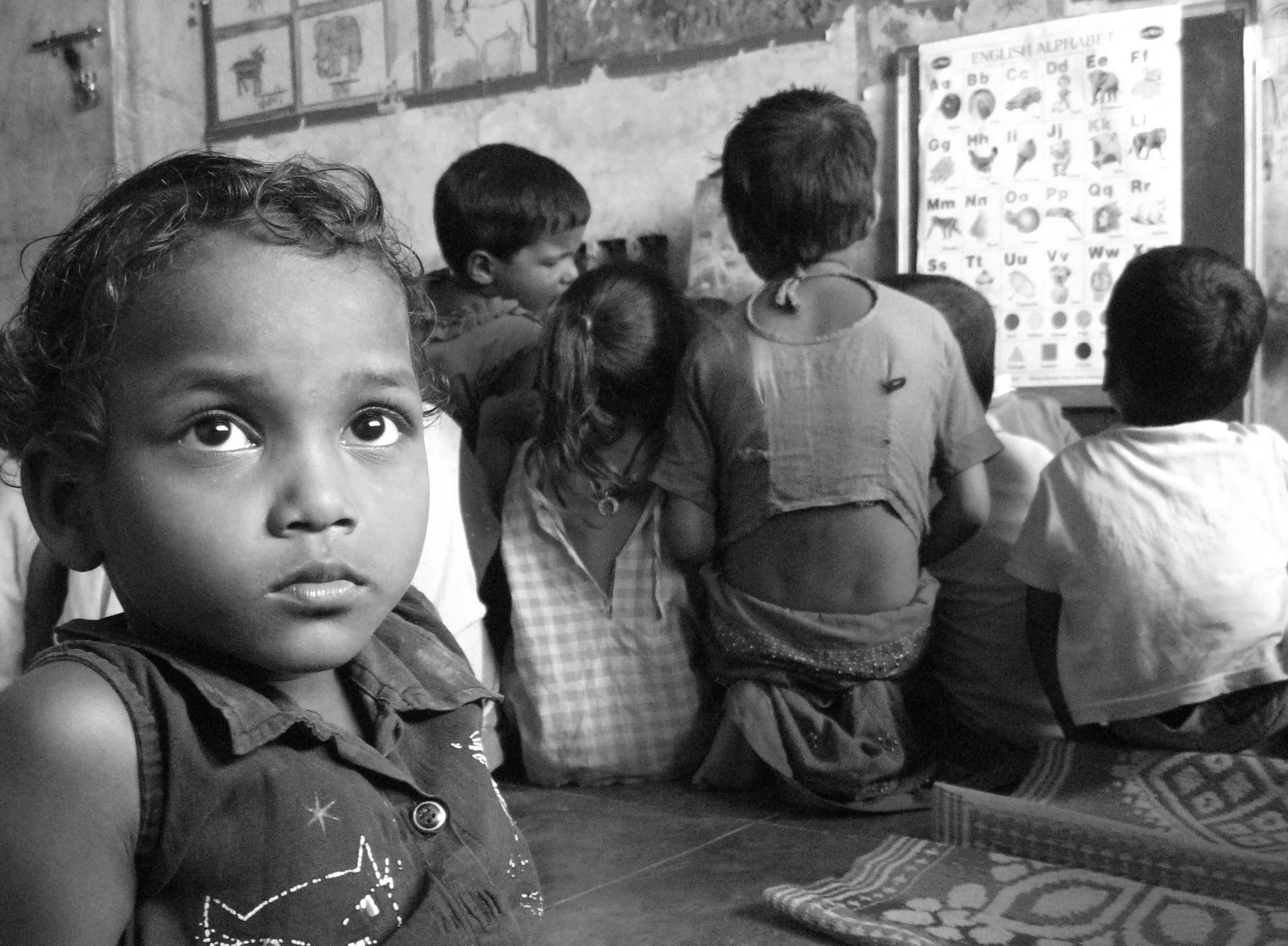
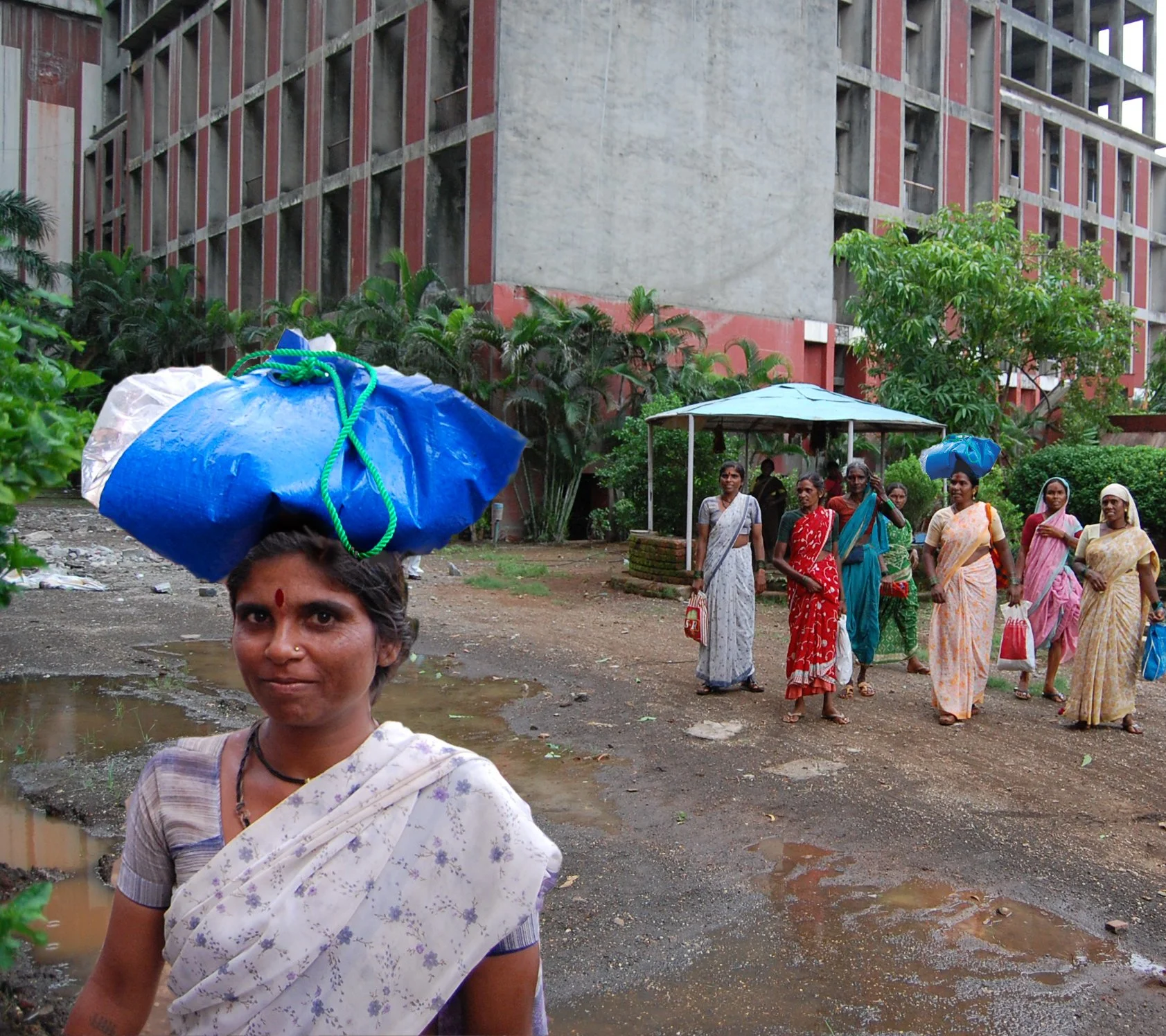
In India’s booming urban centers, millions of children live on active construction sites, following their parents as they move from project to project. Traditional schools cannot serve them and permanent structures are useless for a population that must relocate every few months. The challenge here was to create an educational infrastructure that is as mobile and resilient as the community it serves.
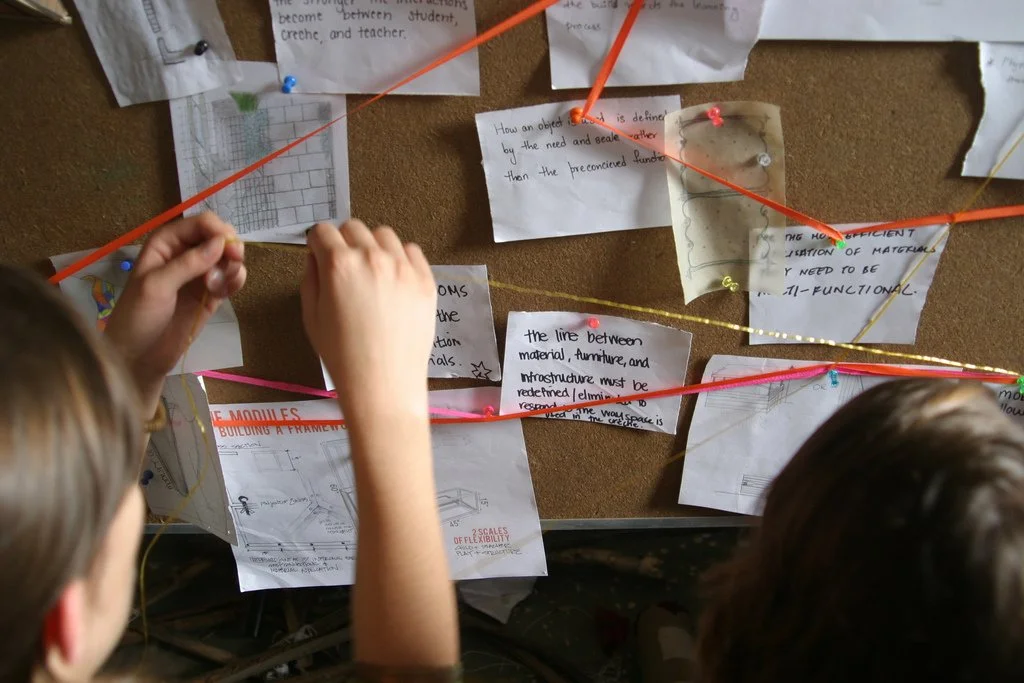
The Intervention movingSCHOOLS is a decentralized, "bottom-up" educational system designed to thrive within the rigors of a construction site. Rather than a single building, the IDC developed a kit of "evolvable" tools, including:
The $2 Water Filter: A 99-rupee solar still made from sweater storage bags and silvered tarp to help address the lack of potable water.
Portable Earth Walls: Modular partitions that define "classroom" space on borrowed land using earth that can be redeposited on the site once the school has completed its lifecycle.
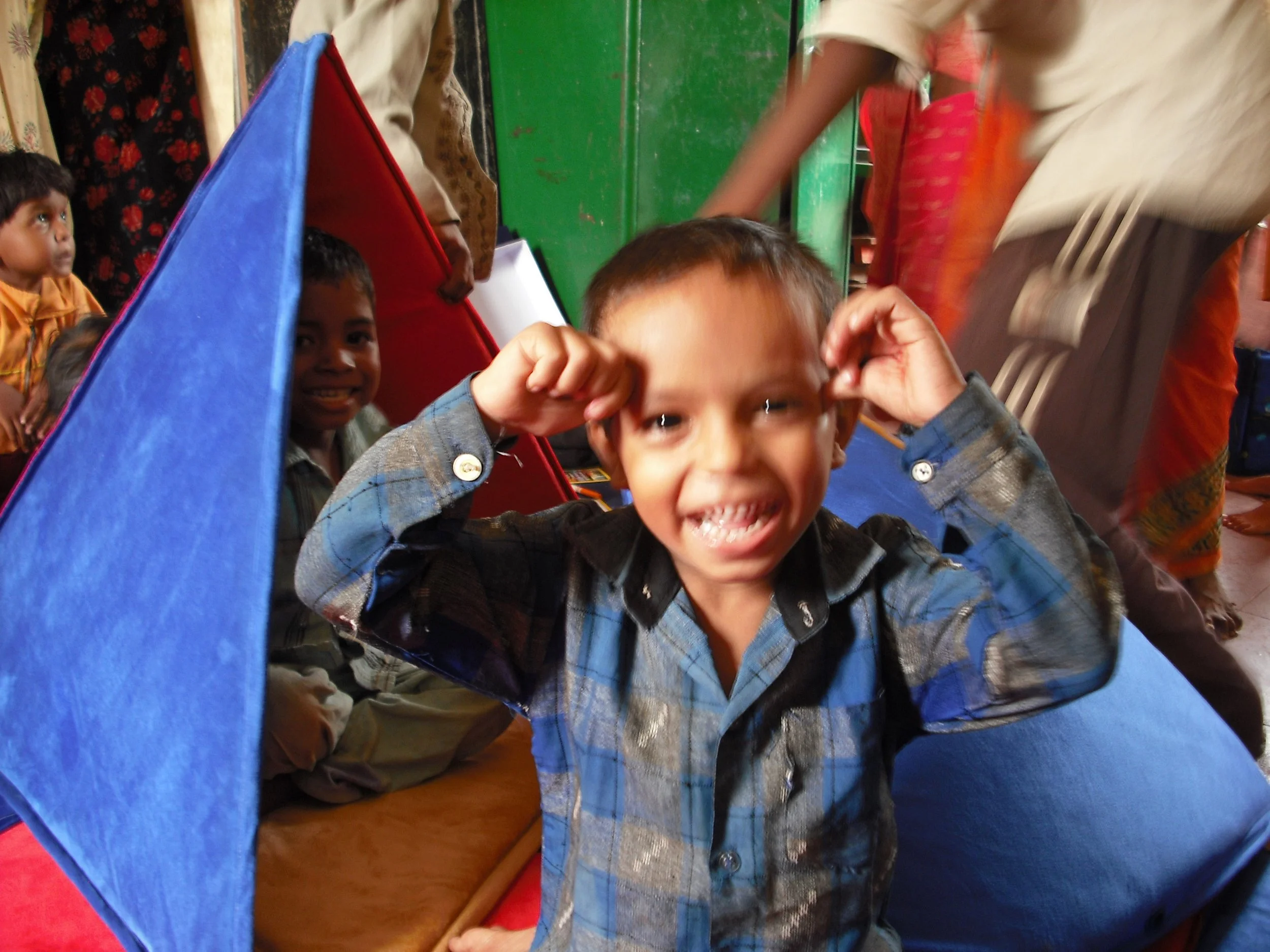
The Rickshaw Classroom: A soft-shell educational space fabricated using the specialized skills of local auto-rickshaw upholsterers that the children could form to their needs.
The Impact The IDC treated the design process as a "Darwinian" movement, testing small, concise interventions and allowing the most effective ones to be "possessed" and evolved by our local partners. This hybrid approach ensures that the offered system is hard-wired to the context and that the resulting school cancould be packed up and moved with the families, where it cancould be adopted to the needs of the next site.
Learn more
-
Cost: $3000
Timeline: 20 days
Volunteers: 36
Size: City-wide (Mumbai, India)
Primary Materials: Reclaimed materials.
-
American Institute of Architects
Temple University and the International Design Clinic
-
-
“City Speculations,” University Of Michigan Detroit Center, Detroit, Michigan. (2013)
“4 Square,” Studio Couture, Detroit, MI (2012)
“Publics Stimulus Packages, Act 1: Projection Mail,” multiple Sites, including the AIA Center For Architecture, Philadelphia, PA (2012 to present).
-
The American Institute of Architects (2009)
The Third International Symposium on Service Learning (2009)
The Coalition Of Urban And Metropolitan Universities (2009)
The 14TH CIB World Building Congress: International Council For Research And Innovation In Building And Construction (2008).