communalPLAY
Oradea, Romania. 2006.
The Challenge:
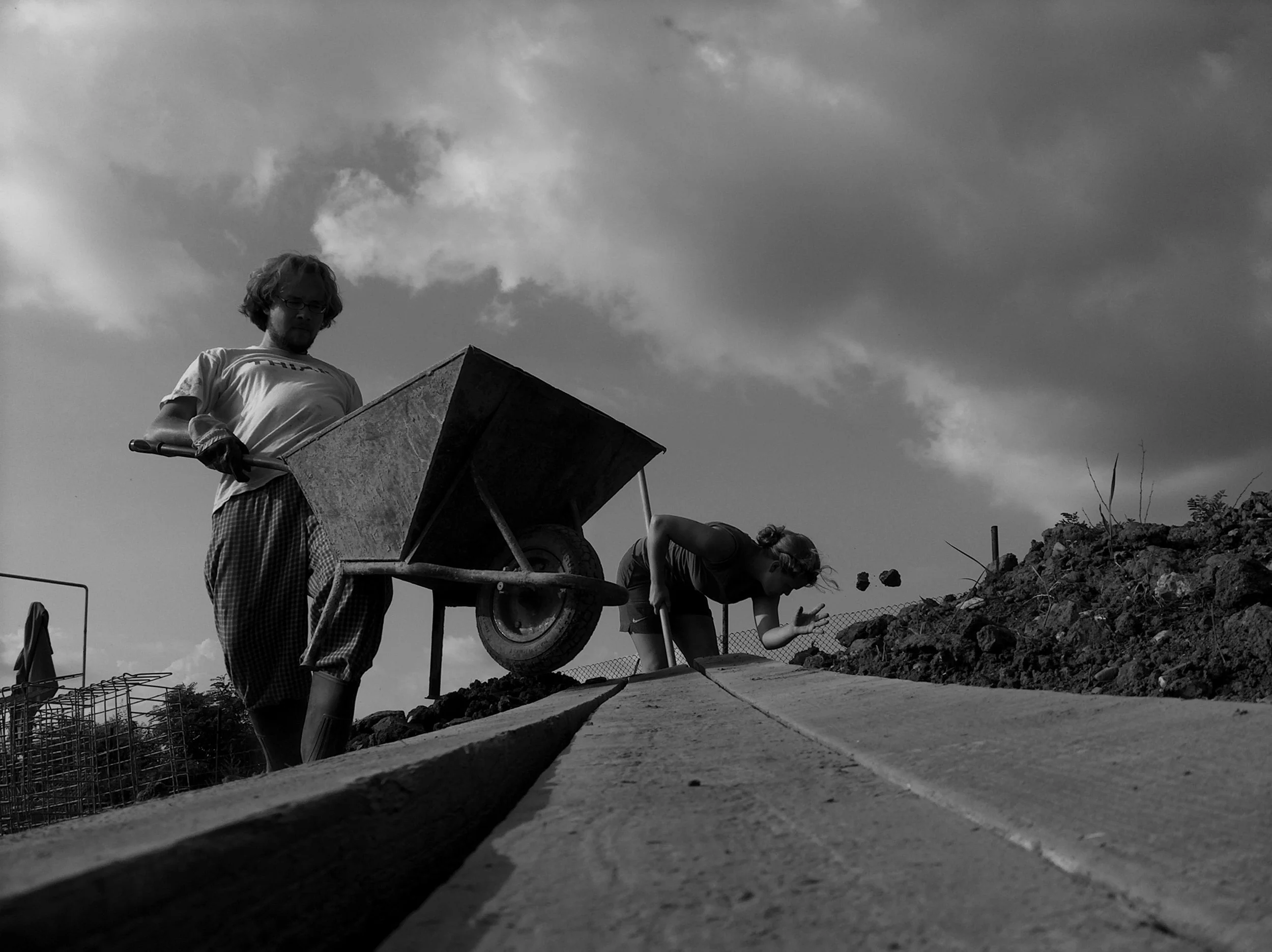
In rural Romania, the IDC was tasked with creating a 6,000-square-foot landscape for play, gathering, and learning that would be used by at-risk mothers and their children. With a strict five-week timeline and a modest budget, the team faced a unique obstacle: in a culture where traditional scrap wood and metal are highly prized, reclaimed materials were scarce.
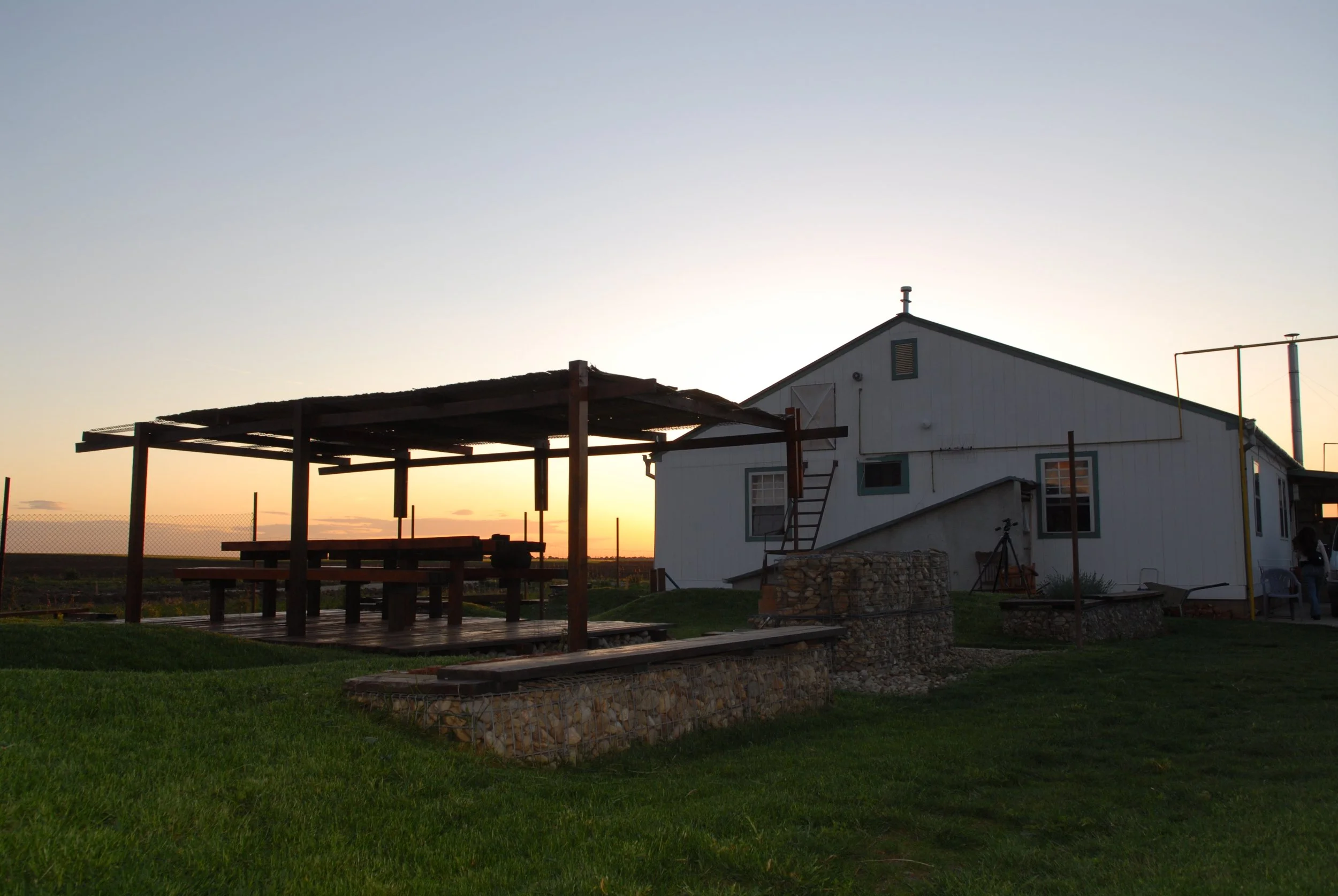
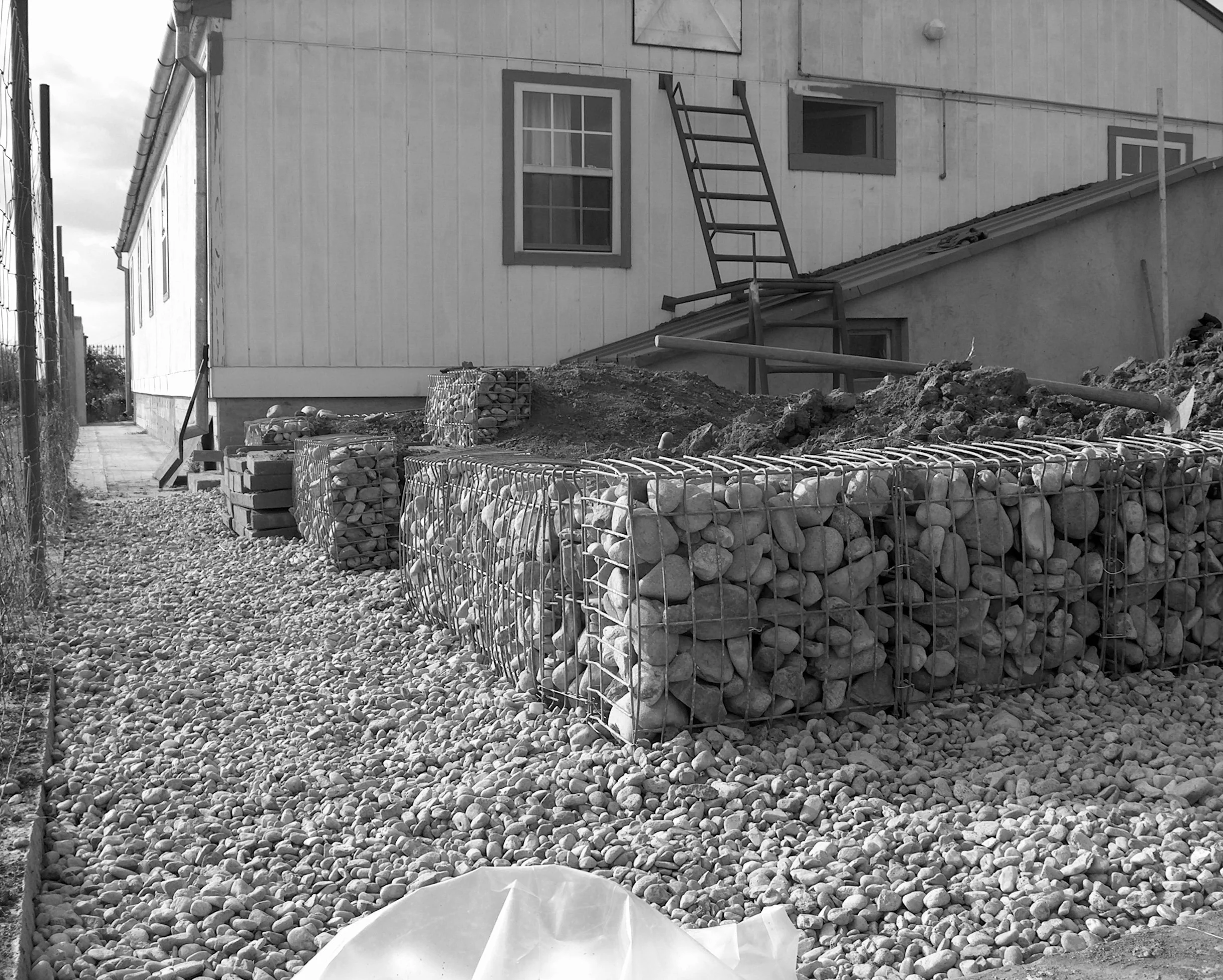
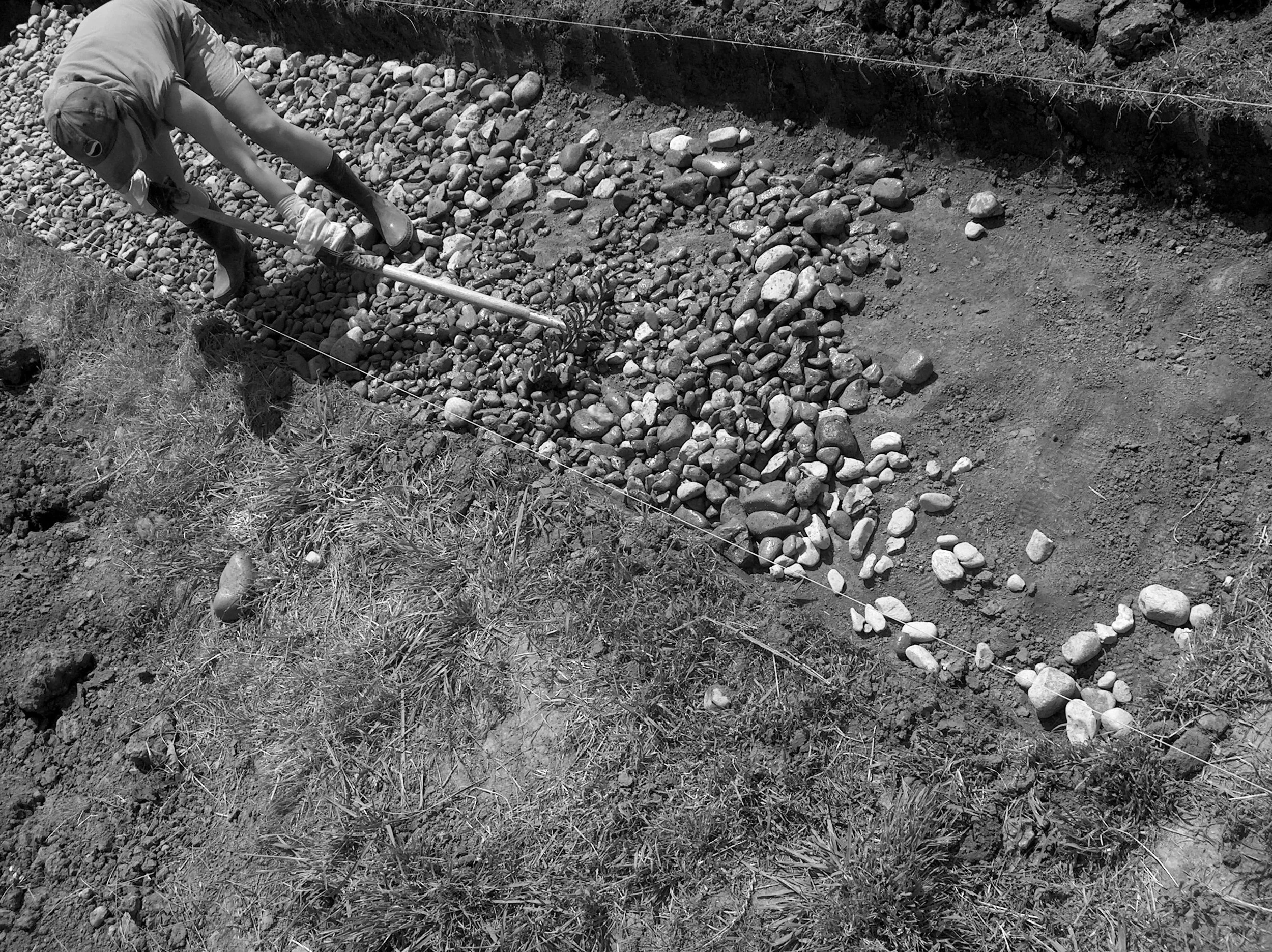
The Intervention In response, the IDC pivoted to a strategy centered on bulk waste: discarded materials that could be gathered for the cost of transportation.. Then, as the trucks delivered loads of irregular rocks, river pebbles, and broken concrete debris to the site, the IDC experimented with these resources to invent new uses for them. This resulted in a design that embraced extreme multi-functionality, as illustrated by the following elements.
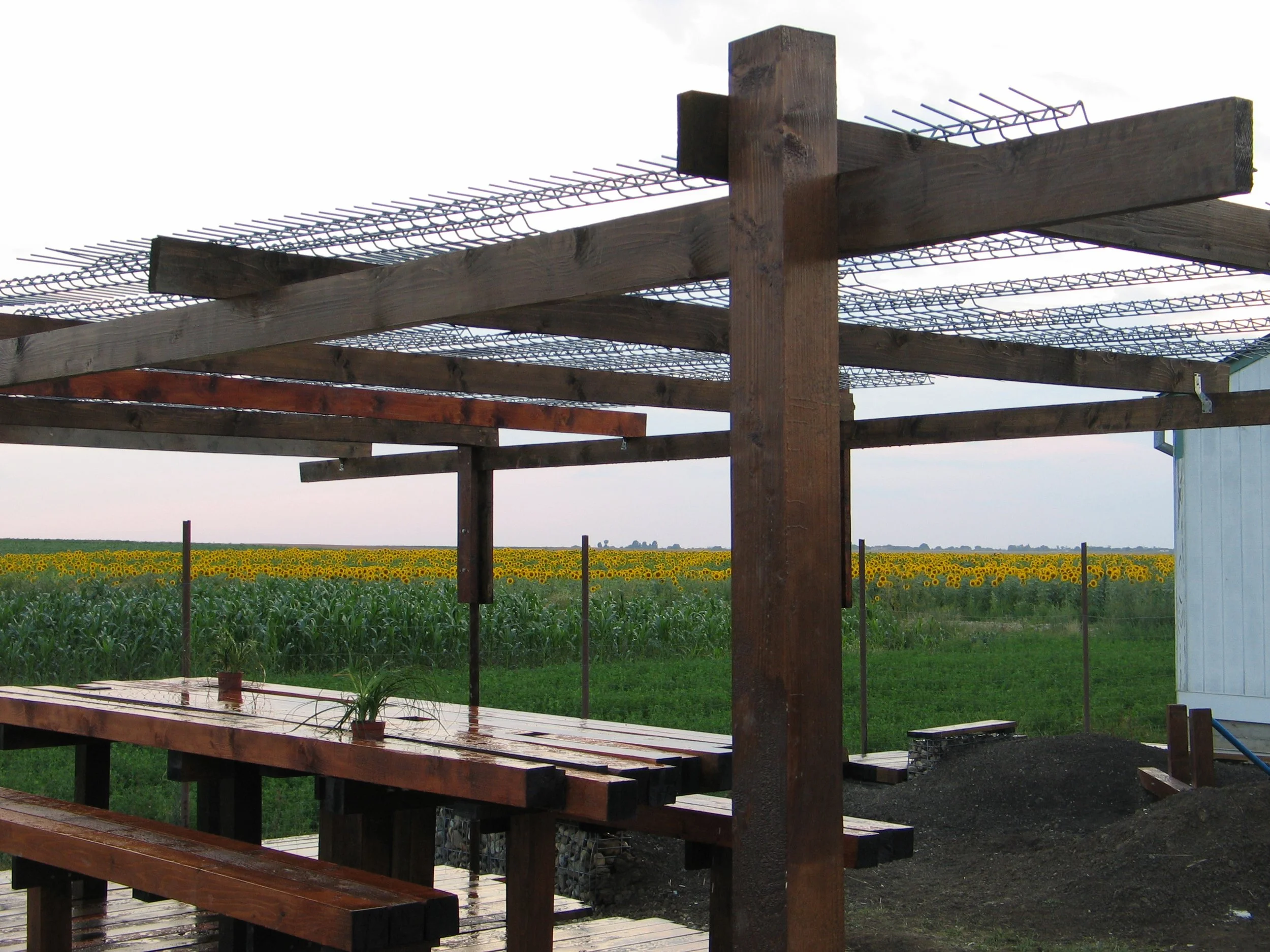
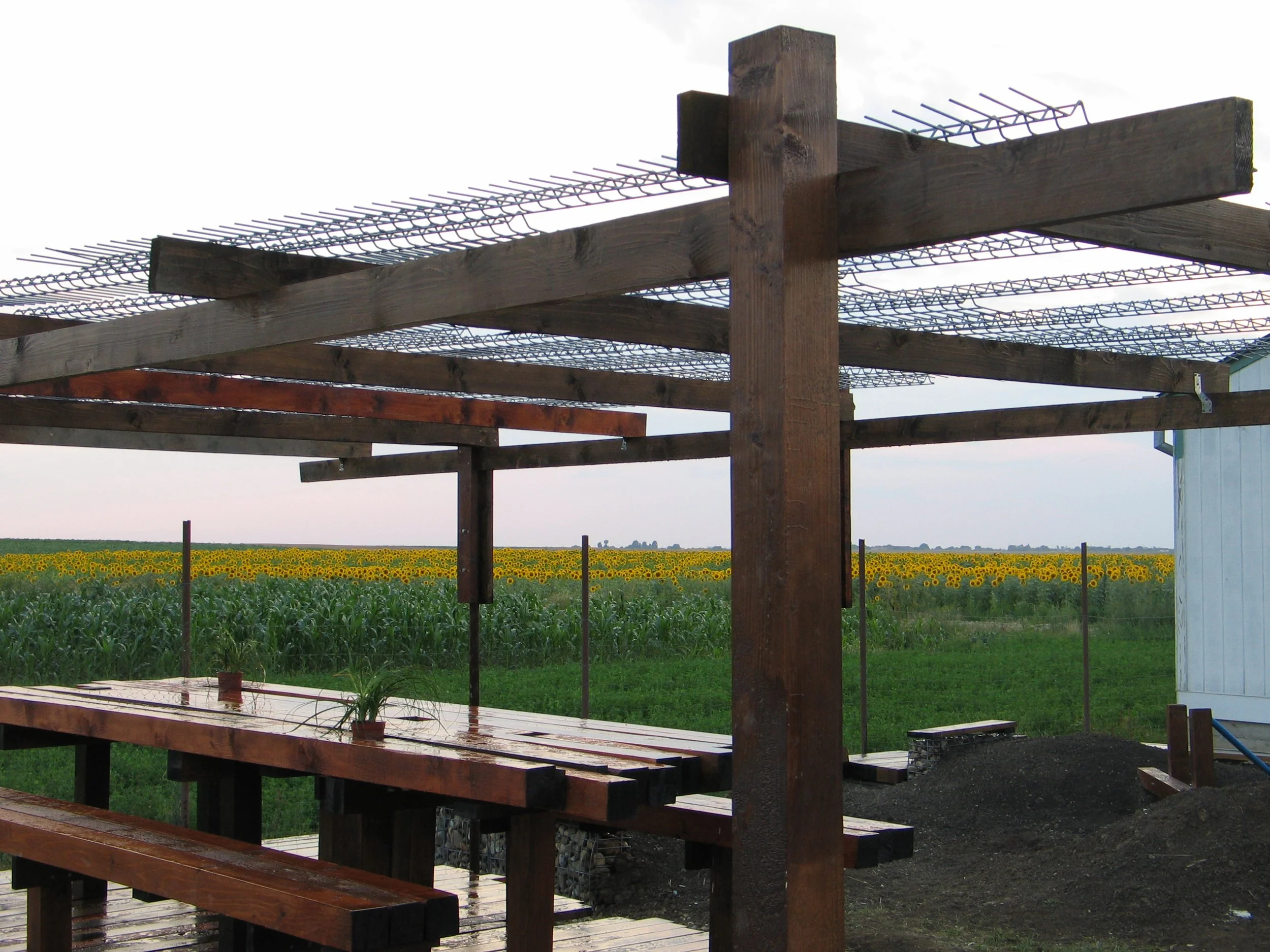
The Communal Table served as a place for eating and meeting, while also doubling as a fort when not in use.
Earth Mounds provide a play topography while serving as elevated, ergonomic gardens and rest spaces for pregnant mothers.
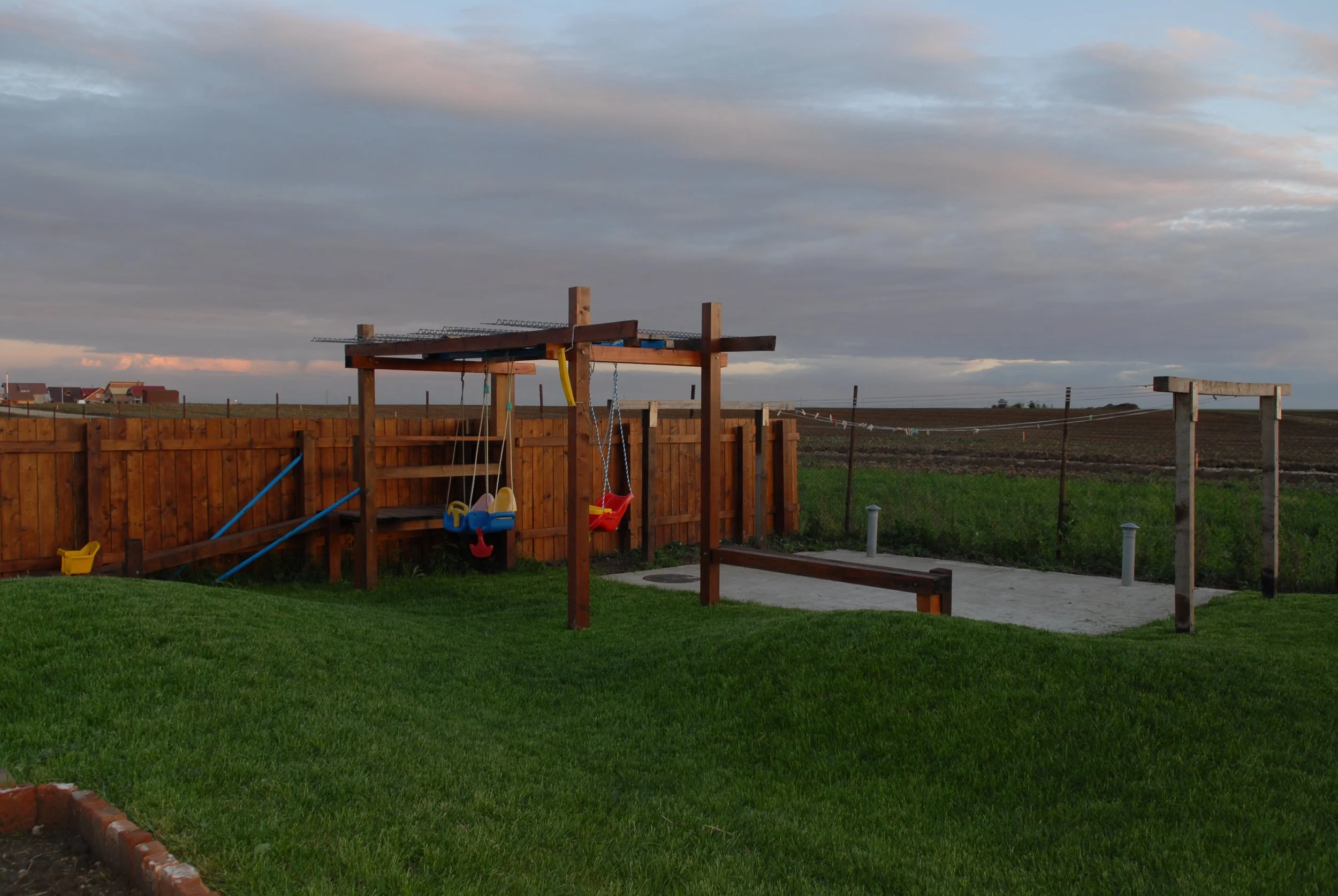
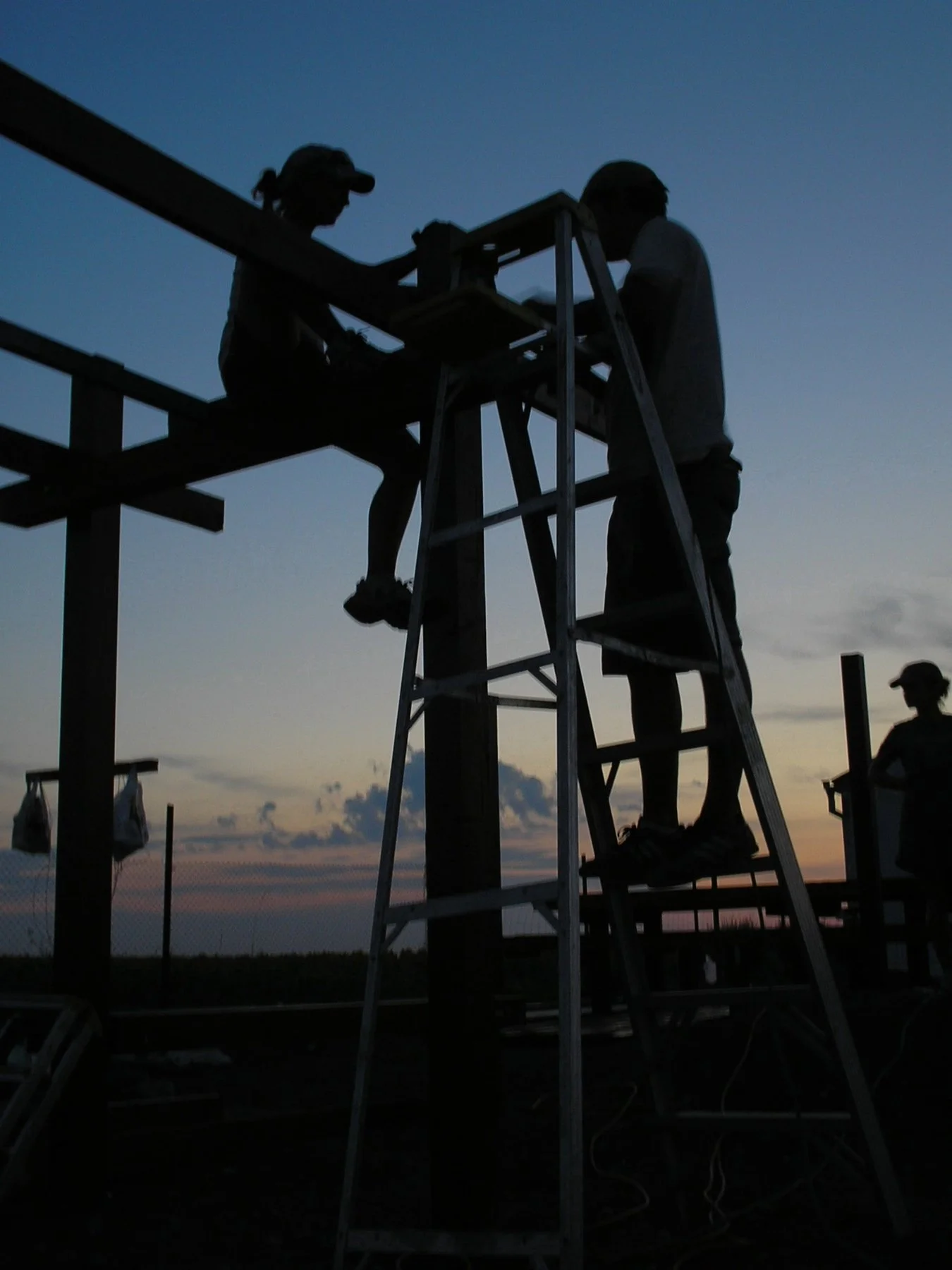
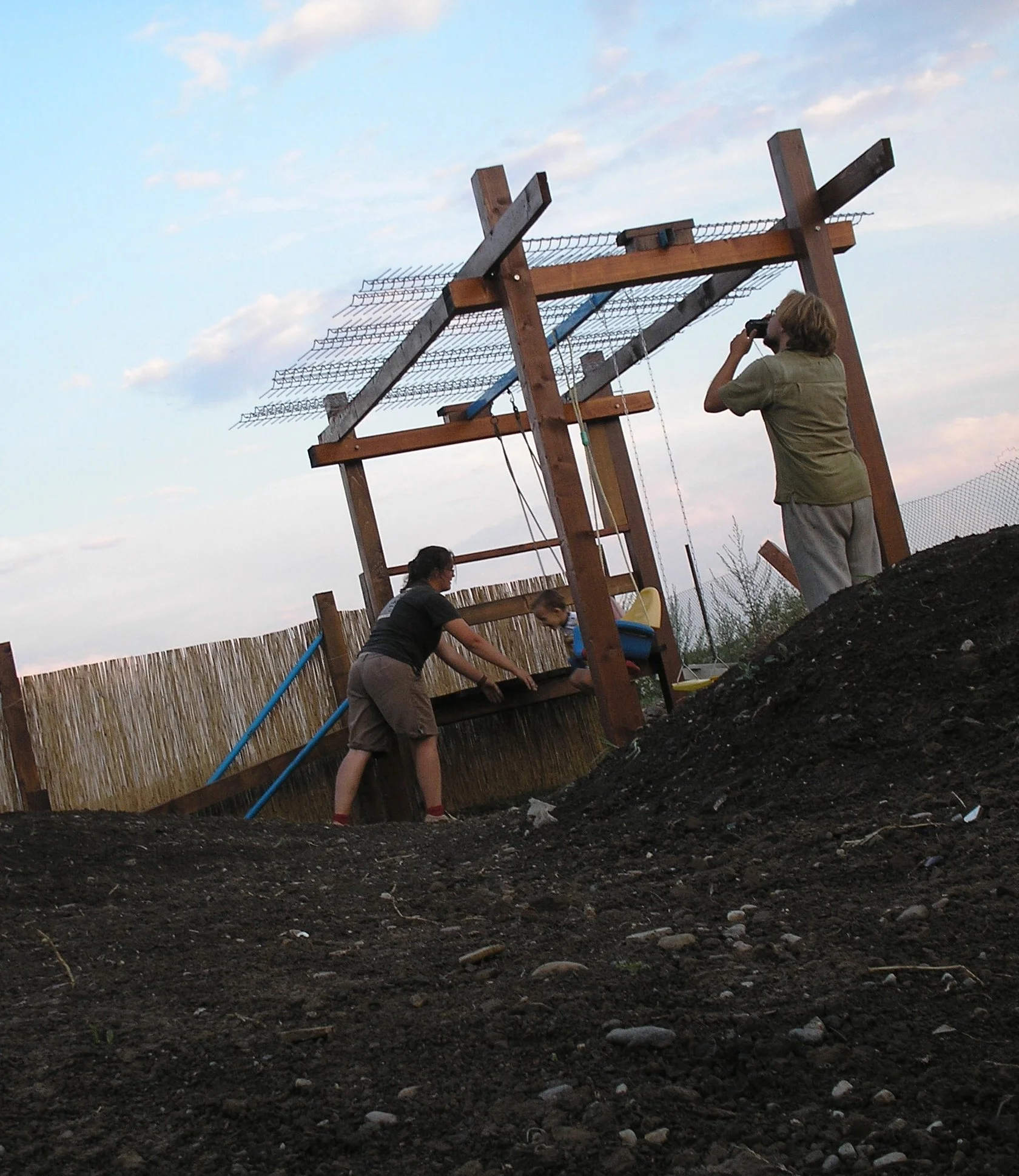
The Impact By working in this way, the IDC eliminated the need for expensive prefabricated equipment. We integrated obsolete items, like a discarded swing set and wood scraps, into a cohesive, durable environment that honors the local culture. The result is a dense, high-utility landscape built for $4,000 that empowers the community and provides a sanctuary for its children.
Learn more
-
Cost: $4,000
Timeline: 20 days
Volunteers: 14
Size: 6000 square feet
Primary Materials: Reclaimed construction debris, landscape fencing, scrap wood, discarded play equipment.
-
The International Design Clinic
-
-
Include works by the University of Technology at Eindhoven (2007)
The Industrial Designers Society Of America (2006).